
Ultimate Vacuum Cleaner Filters Guide
When it comes to keeping your home clean, a vacuum cleaner is an essential tool. However, to ensure that your vacuum is operating at its best and providing you with the cleanest results possible, it’s important to regularly maintain and replace the filters. Vacuum cleaner filters play a crucial role in trapping dust, dirt, and allergens that are picked up while vacuuming, preventing them from being expelled back into the air.
There are various types of vacuum cleaner filters available on the market, including HEPA filters, foam filters, and cartridge filters. Each type serves a different purpose and works to effectively remove particles from the air passing through the vacuum cleaner. By understanding the different types of filters and knowing when to replace them, you can ensure that your vacuum cleaner is working efficiently and keeping your home clean and healthy.
Types of Vacuum Cleaner Filters
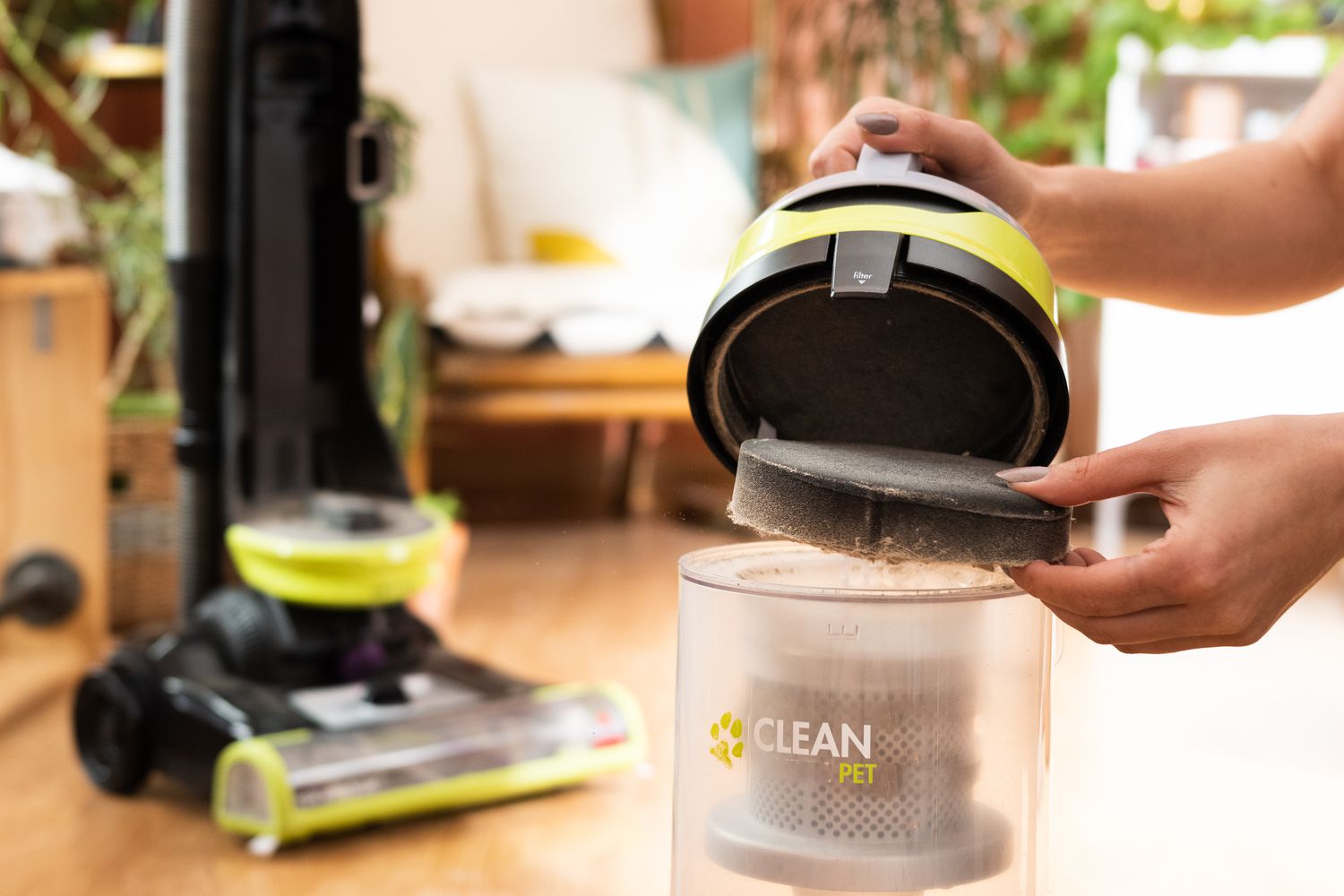
There are various types of vacuum cleaner filters available, each serving a unique purpose in maintaining air quality and cleanliness. High-Efficiency Particulate Air (HEPA) filters are known for their ability to trap small particles and allergens, making them ideal for households with allergy or asthma sufferers. Foam filters are washable and reusable, providing a cost-effective option for those looking to reduce waste. Cartridge filters are commonly used in upright vacuums and can effectively capture dust and debris to prevent it from circulating back into the air.
When to Replace Vacuum Cleaner Filters
Regular maintenance of vacuum cleaner filters is crucial to ensure optimal performance and air quality in your home. It is recommended to replace filters every 3-6 months, depending on usage and the type of filter. Failure to replace dirty or clogged filters can result in reduced suction power and poor air filtration. To keep your vacuum running smoothly and efficiently, make sure to Shop Vacuum Cleaner Filters and replace them according to the manufacturer’s instructions.
By regularly maintaining and replacing your vacuum cleaner filters, you can ensure that your vacuum is operating at its best and providing you with the cleanest results possible. Failure to replace dirty or clogged filters can result in reduced suction power and poor air filtration, ultimately impacting the cleanliness of your home. With various types of filters available, such as HEPA filters, foam filters, and cartridge filters, it’s important to understand the different purposes they serve and when to replace them. By following the manufacturer’s instructions and replacing filters every 3-6 months, you can keep your vacuum running smoothly and efficiently, ensuring a healthy and clean living environment for you and your family.