
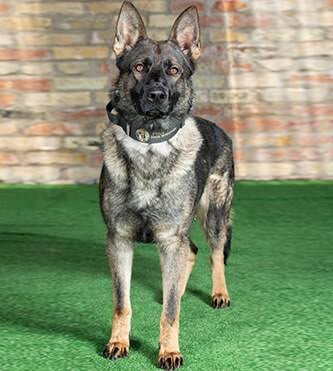
When looking for a purebred German Shepherd, AKC registration is often one of the first things buyers notice. It provides information about a puppy’s ancestry and helps establish its place within a documented breeding line. If you’re exploring AKC GSD puppies for sale, understanding what registration means can help you ask better questions before choosing your new companion. Mittelwest German Shepherds offers prospective owners an opportunity to learn about the breed and explore puppies with documented backgrounds.
Understanding AKC Registration & Pedigree
The American Kennel Club maintains records of registered purebred dogs throughout the United States. For German Shepherds, these records establish documented parentage and allow owners to trace a dog’s ancestry through previous generations. A puppy born to eligible AKC-registered parents may qualify for registration, provided the necessary requirements are met.
Registration is useful, particularly for buyers interested in understanding their puppy’s bloodline. However, it does not independently establish the dog’s health or guarantee that it will develop a particular temperament. Those qualities depend on several factors, including inherited traits and the environment in which the puppy grows.
Before purchasing, ask whether the puppy comes with AKC registration paperwork and whether any restrictions apply. Limited registration, for example, generally prevents offspring from being registered with the AKC. Knowing these conditions beforehand can prevent confusion, especially if you have future plans involving breeding or competitive events.
Why The Parents’ Background Deserves Attention
A puppy’s parents can tell you quite a bit about the characteristics that may emerge as it matures. German Shepherds have different breeding backgrounds, with certain lines historically developed for conformation competitions and others emphasizing working abilities. Understanding these distinctions can help you identify qualities that suit your expectations.
Ask Mittelwest German Shepherds about the parents’ temperaments and available health screening results. German Shepherds can be susceptible to inherited joint conditions, making hip and elbow evaluations particularly relevant. Although testing cannot eliminate every potential health concern, it provides valuable information about the breeder’s approach to selecting breeding dogs.
Preparing To Bring Home An AKC German Shepherd
Even a puppy with an impressive pedigree needs patient guidance after arriving home. German Shepherds are intelligent dogs that respond well to consistent training and regular interaction with their owners. Establishing routines early can help your puppy understand household expectations while developing confidence in unfamiliar situations.
You should also consider how much daily attention your growing dog will need. Exercise requirements generally increase with age, and opportunities for appropriate socialization remain important throughout puppyhood. A German Shepherd that receives thoughtful guidance is better prepared to become a comfortable member of the household.
If you’re interested in learning more about available AKC puppies, contact Mittelwest German Shepherds to discuss current litters and registration details. Asking about each puppy’s background will help you make a decision that reflects your household’s needs and long-term expectations.